Scratch Level 1
From first animations to AI-powered games. A comprehensive 48-session journey covering creative coding, game design, physics mechanics, and applied artificial intelligence.
This Course Includes
Parent Rating
Happy Students
Completion Rate
Skill Improvement
Course Curriculum
48 structured sessions across 4 levels, from Scratch basics to advanced AI integration
Scratch Foundations
Interface & Visual Design
Interactive Scenes & Games
Projects Your Child Will Build
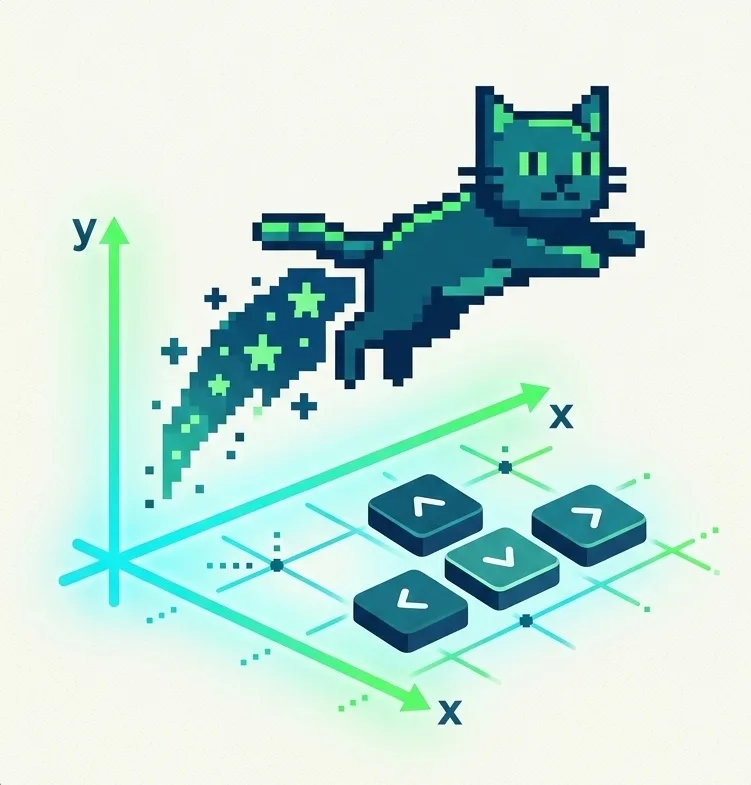
Flying Cat Game
Control a sprite with arrow keys and coordinates
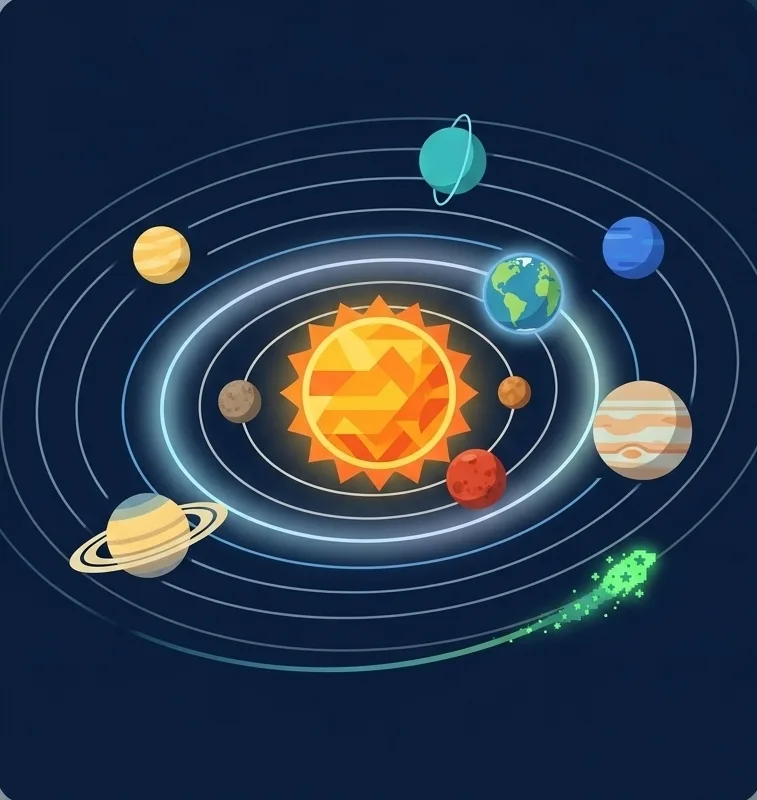
Animated Solar System
Create orbiting planets with continuous motion
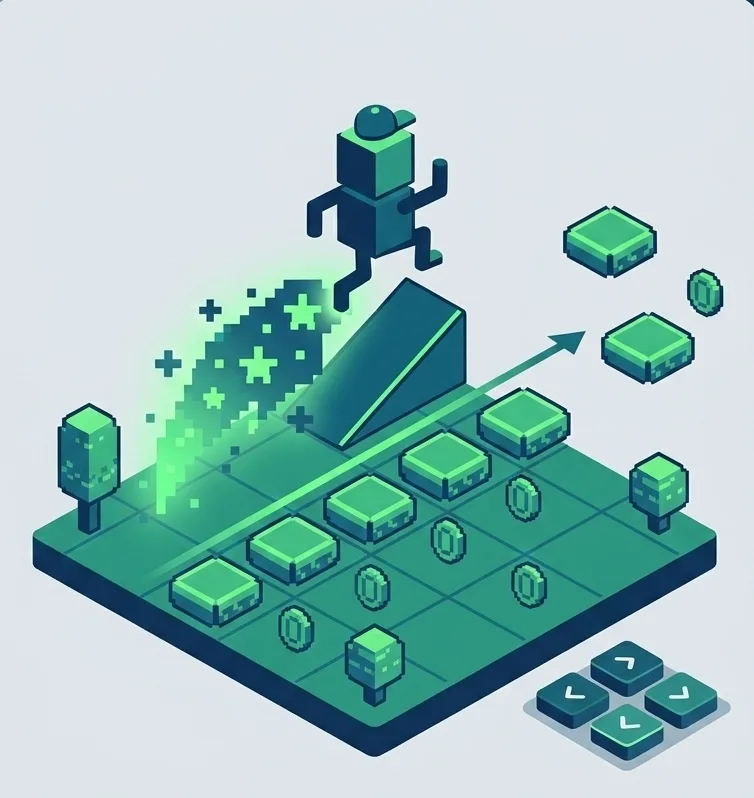
Mario Dash
Build a side-scrolling game with jump mechanics
Physics, Music & AI Foundations
Physics & Creative Coding
CSS Introduction
Applied AI Projects
Projects Your Child Will Build
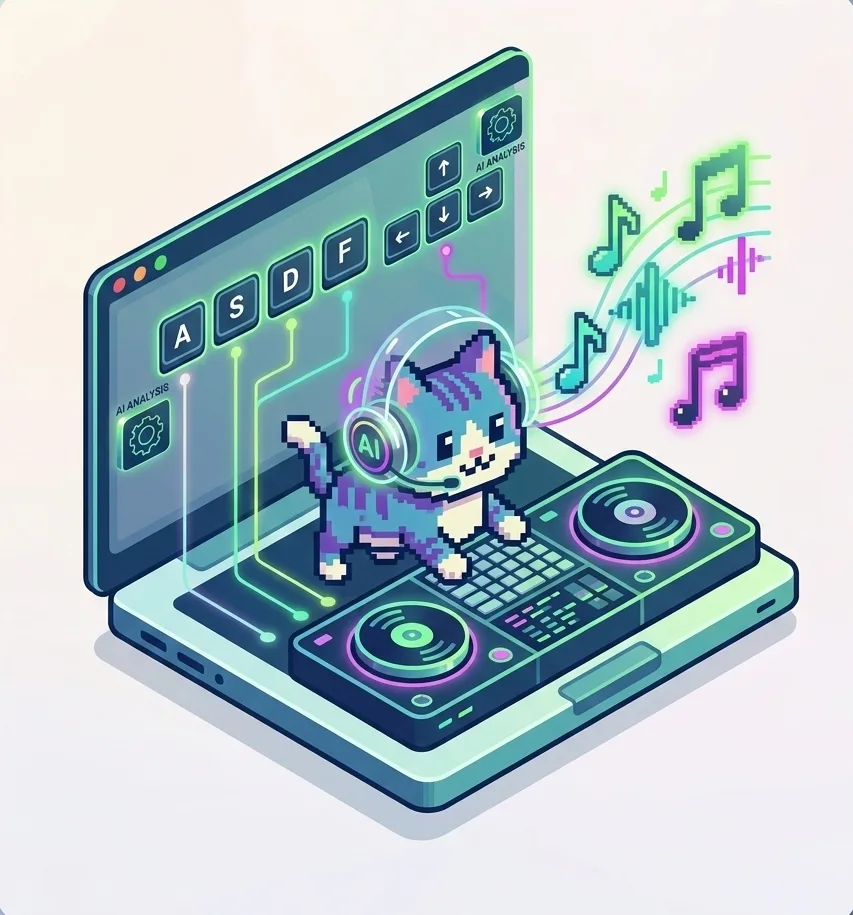
DJ Cat
Create an interactive music maker with keyboard events
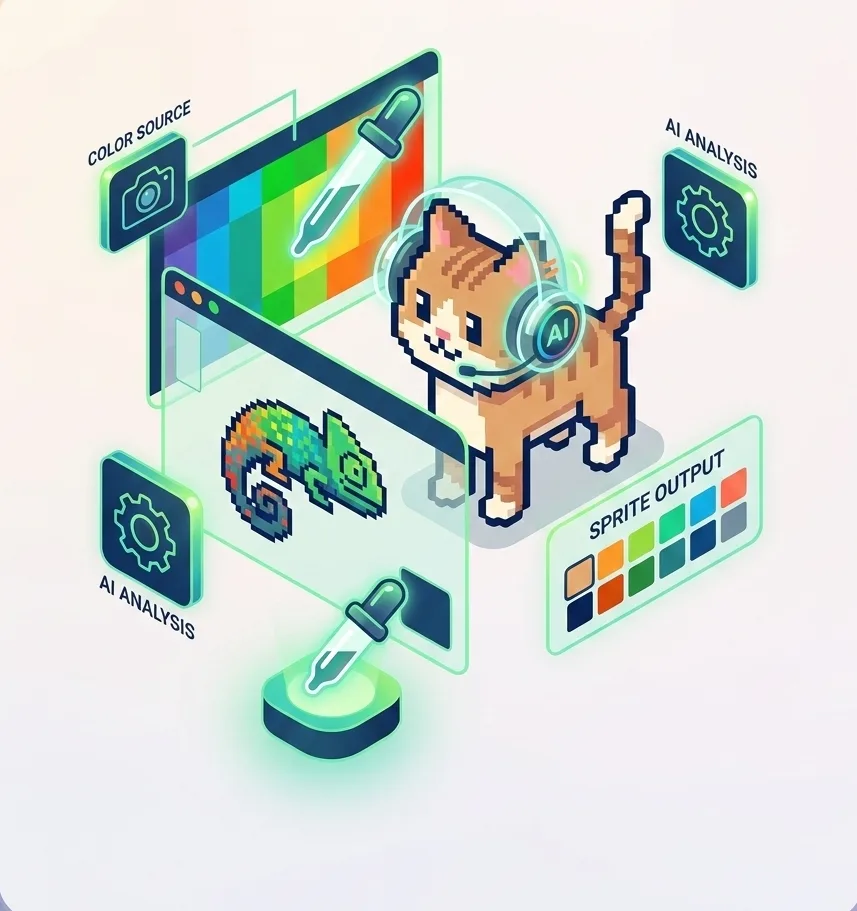
Chameleon AI
Use AI to detect colors and change sprite appearance
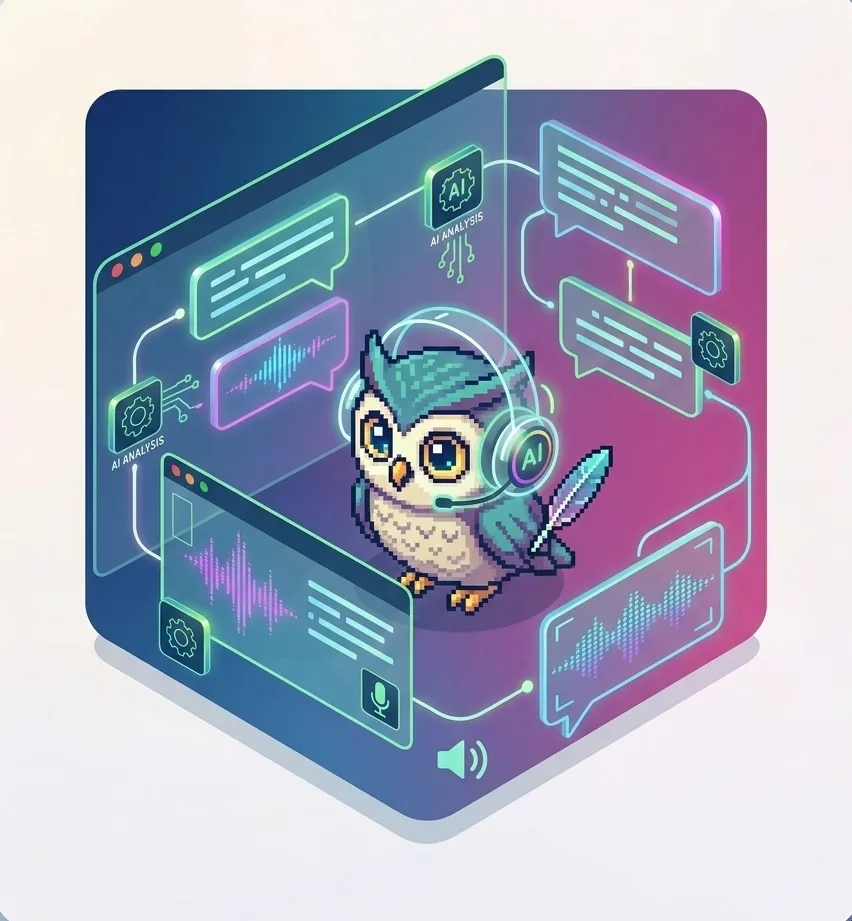
Owl Chatbot
Design a conversational AI chatbot
Advanced Game Design
Mazes & Shooters
Arcade-Style Games
Racing & Multi-Level Games
Projects Your Child Will Build
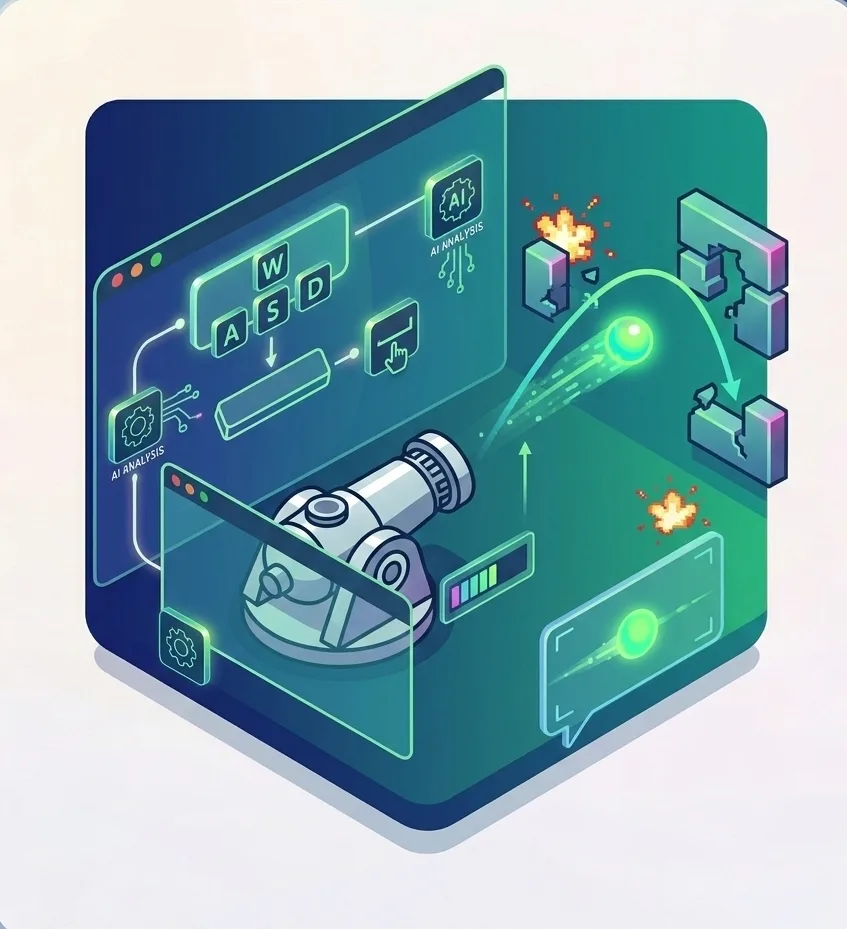
Ball Shooter
Design action-based shooting games with projectiles
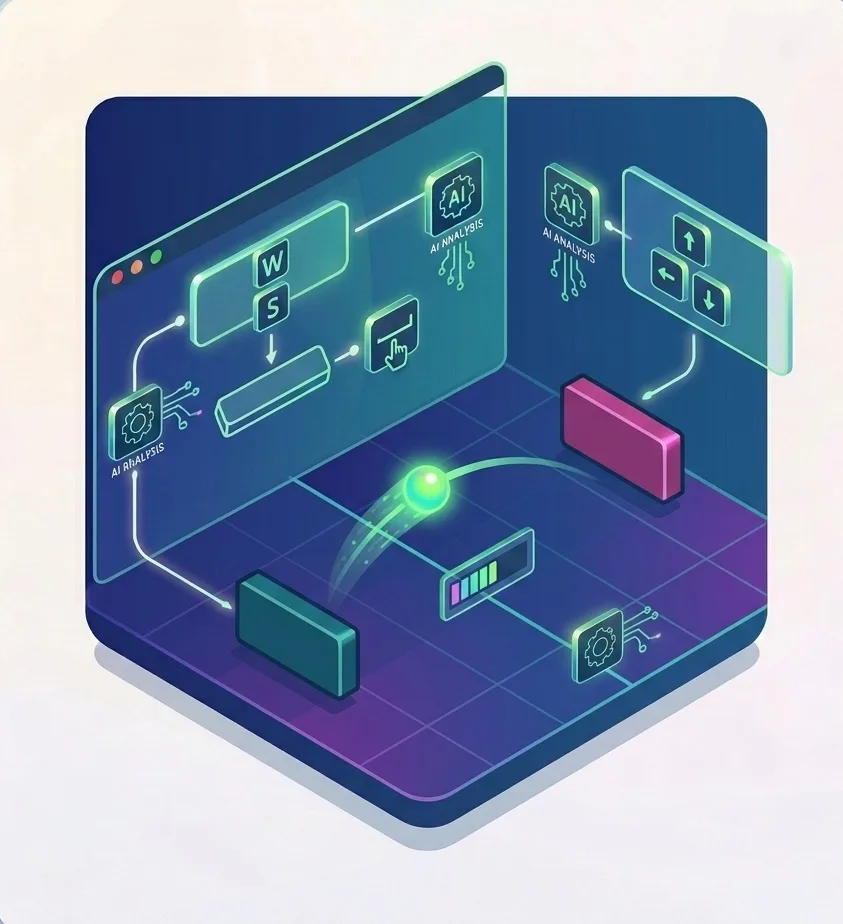
2-Player Pong
Recreate the classic arcade game
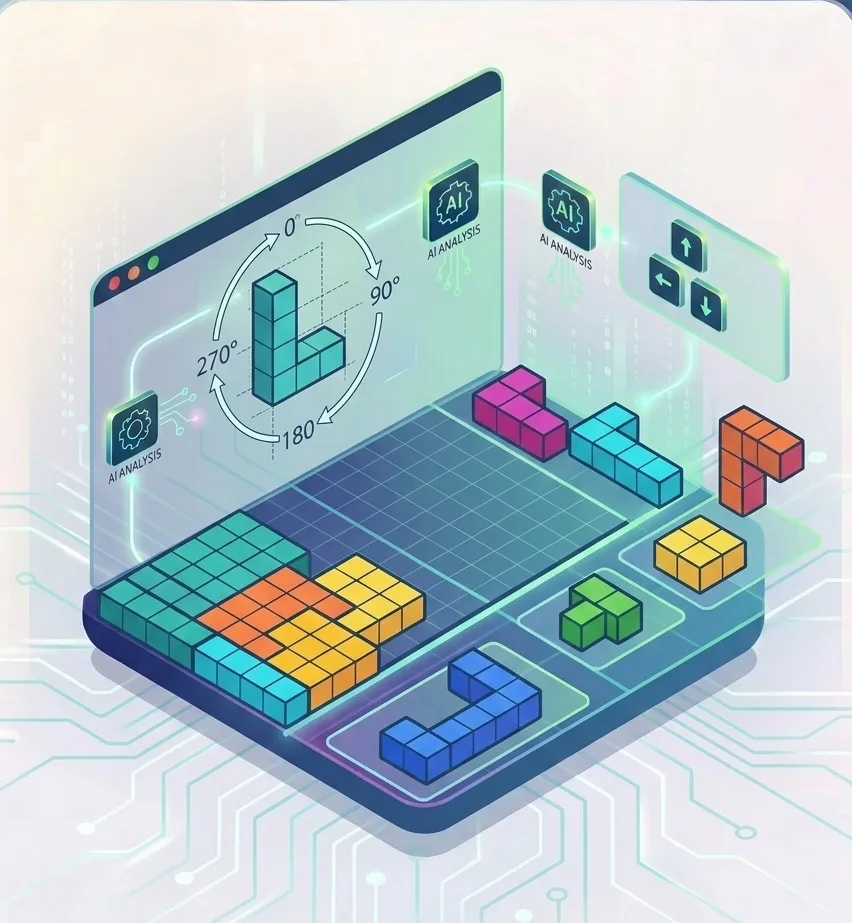
Tetris Builder
Build a complex puzzle game with rotation
Advanced AI & Capstone
Physics & AI Integration
Advanced AI & Final Prep
Projects Your Child Will Build
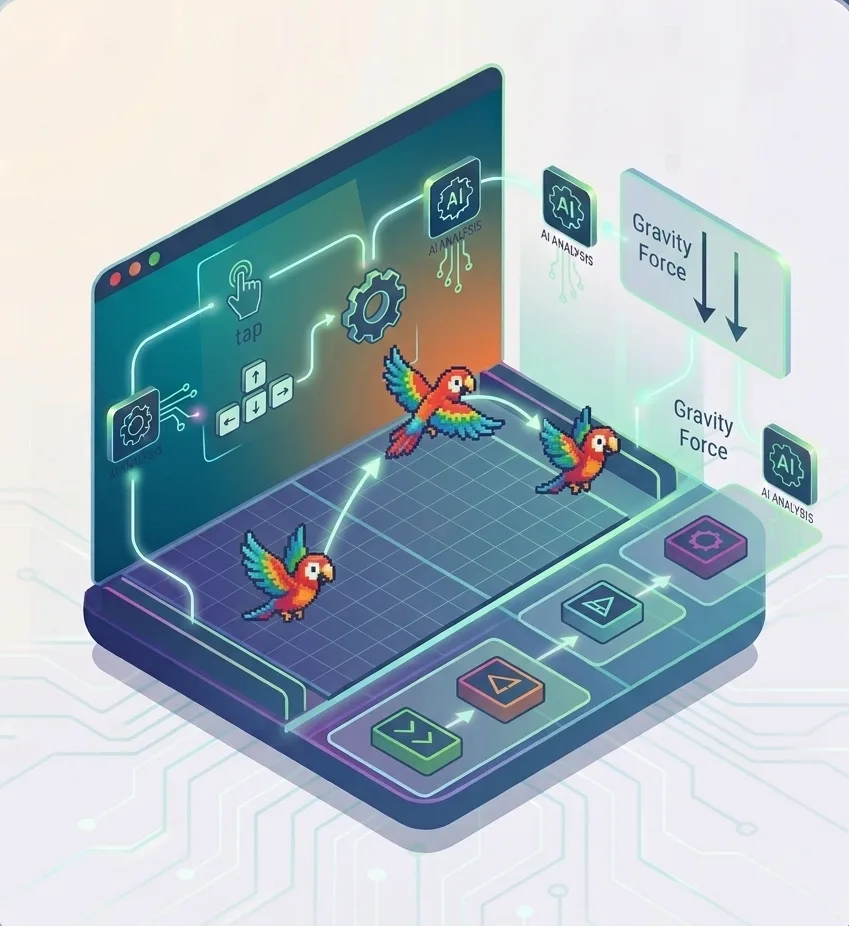
Flappy Parrot
Implement physics-based gameplay with gravity
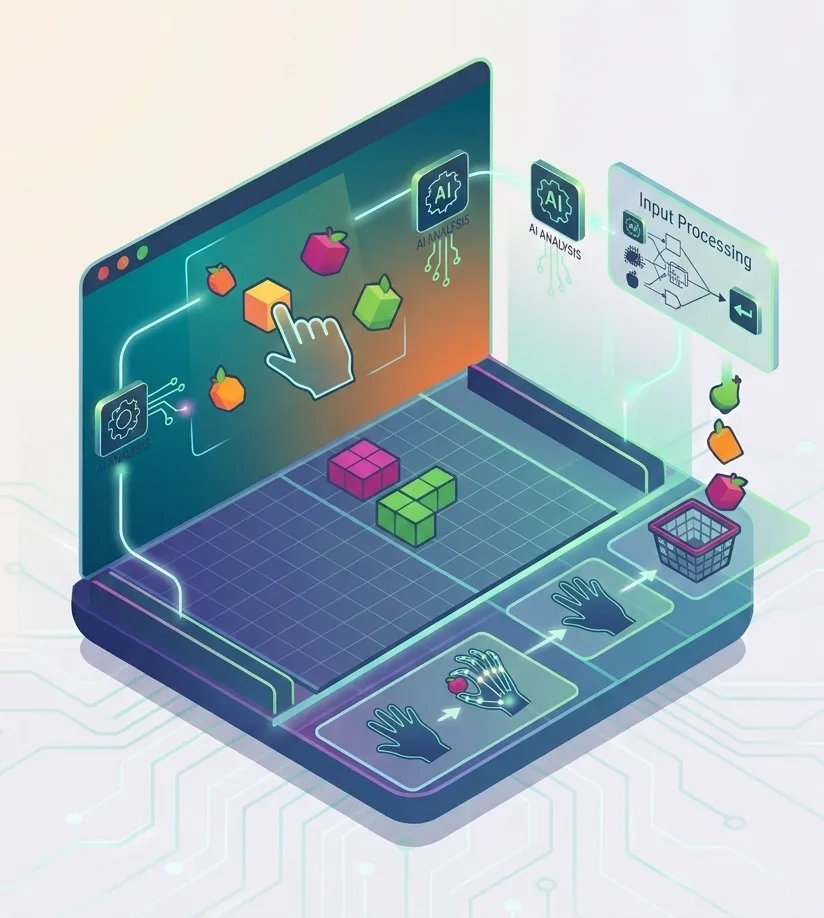
Fruit Catcher AI
Use webcam input to control game elements
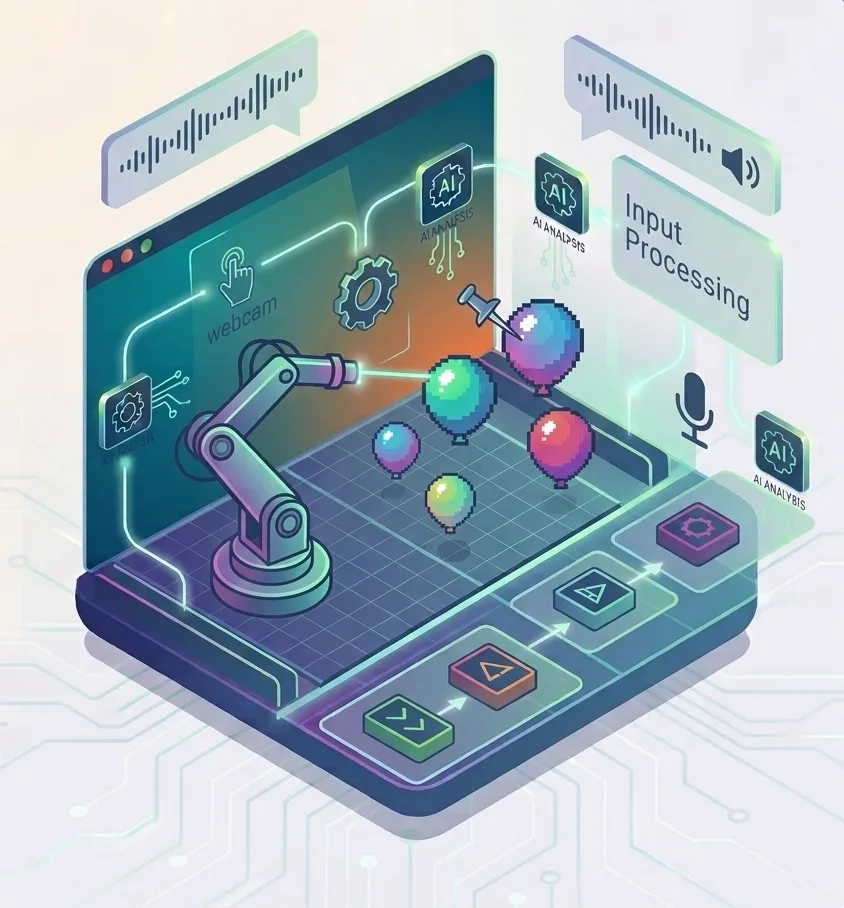
AI Balloon Pop
Combine motion detection with voice feedback
What Your Child Will Learn
- Master the Scratch interface and all coding blocks
- Understand loops, conditionals, variables, and events
- Create interactive games with scoring and collision systems
- Design animations with motion, sound, and pen tools
- Build arcade games: Pong, racing, shooters, and puzzles
- Implement physics: gravity, velocity, and bouncing
- Learn AI: speech recognition, image detection, and face tracking
- Create chatbots and AI-powered interactive games
- Develop problem-solving and debugging skills
- Design multi-level games with progressive difficulty
What Your Child Will Master
From booking to building projects — here’s what to expect
Book Free Trial
Schedule a no-obligation trial class at a time that works for your child
Get Matched
We pair your child with an instructor who matches their learning style
Start Learning
Live 45-minute classes via Zoom with real-time feedback and support
Build Projects
Create real projects, earn certificates, and track progress together
Class Duration
Private Sessions
Easy Rescheduling
Simple, Transparent Pricing
One complete program. Everything included. No hidden fees.
Complete Scratch Level 1 Program
/ 36 sessions
AED 70 per session
Duration
What's Included
Not sure yet? Try a FREE trial class first!
What Parents Say
Join hundreds of happy parents who’ve seen their children thrive with iCodejr
“My daughter was shy about technology, but after just a few ScratchJr classes, she's now creating her own animated stories! The instructor was incredibly patient and made learning fun.”
“I was skeptical about online coding for such young children, but iCodejr proved me wrong. The structured curriculum and 1-on-1 attention keeps my son engaged throughout the class.”
“The progress reports are amazing — I can see exactly what my child is learning. She went from knowing nothing about coding to building her own games in just 3 months!”
“Both my twins take ScratchJr classes and they love showing off their projects to each other. The flexible scheduling makes it easy to fit into our busy family life.”
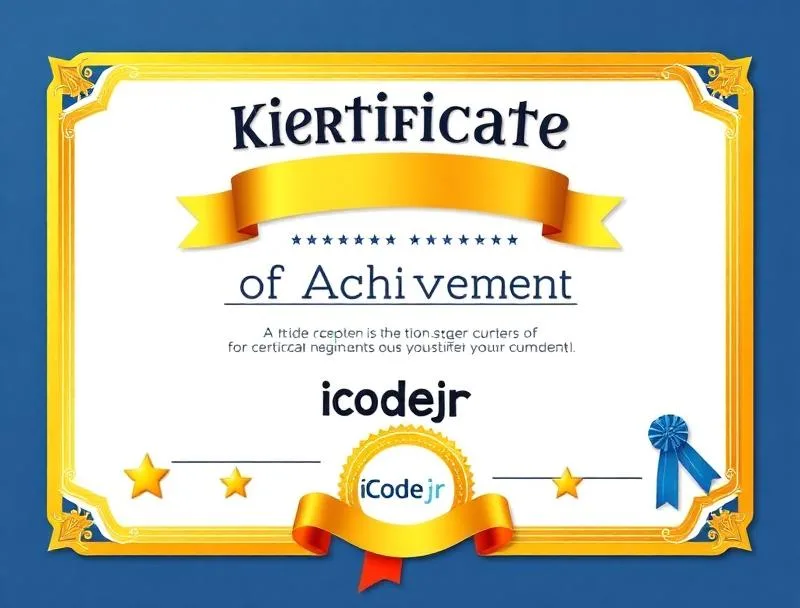
Earn Your ScratchJr Certificate
Celebrate your child’s achievement with an official iCodejr completion certificate a milestone they can proudly share with family and friends.
- Personalized with your child’s name and photo
- Lists all 36 skills and concepts mastered
- Shareable digital certificate for portfolios
- Pathway to Junior Tech Passport certification
- Recognition of coding fundamentals achievement
Want a complete learning journey?
Continue Your Learning Journey
After completing Scratch Level 1, your child is ready for the next step in their coding journey
Scratch Level 2 for Kids
Advanced arcade games, physics mechanics, and applied AI with MIT Scratch.
Frequently Asked Questions
What age is appropriate for Scratch Level 1?
Scratch Level 1 is designed for children ages 6-11 (Grades 1-5). No prior coding experience is needed—this course starts from the very basics and builds up to advanced concepts!
Does my child need prior coding experience?
No! Level 1 is perfect for complete beginners. We start with the fundamentals and build up progressively through 48 sessions. If your child has done ScratchJr, they’ll have a head start, but it’s not required.
What's the difference between Level 1 and Level 2?
Level 1 is a comprehensive 48-session program covering foundations through advanced game design and AI integration. Level 2 builds on this with even more complex arcade games, action adventures, and applied AI projects.
What will my child build?
Students build 20+ projects including animated stories, classic arcade games like Mario Dash, Pong, and Tetris, racing games, physics-based games like Flappy Parrot, and AI-powered games using speech recognition, image detection, and face tracking!
What device is needed?
Scratch works on any computer (Windows, Mac, or Chromebook) with internet access. A laptop or desktop with a larger screen provides the best coding experience. A webcam is helpful for AI projects.
How is the course structured?
The 48 sessions are organized into 4 levels: Foundations (1-10), Physics & AI Foundations (11-24), Advanced Game Design (25-39), and Advanced AI & Capstone (40-48).
What AI features will my child learn?
Students explore speech recognition, image classification, face detection, hand tracking, and video sensing. They’ll build chatbots, emotion detectors, and AI-controlled games!
What comes after Scratch Level 1?
After completing Level 1, students can advance to Scratch Level 2 for more advanced arcade games and applied AI, or transition to Python for text-based programming.